
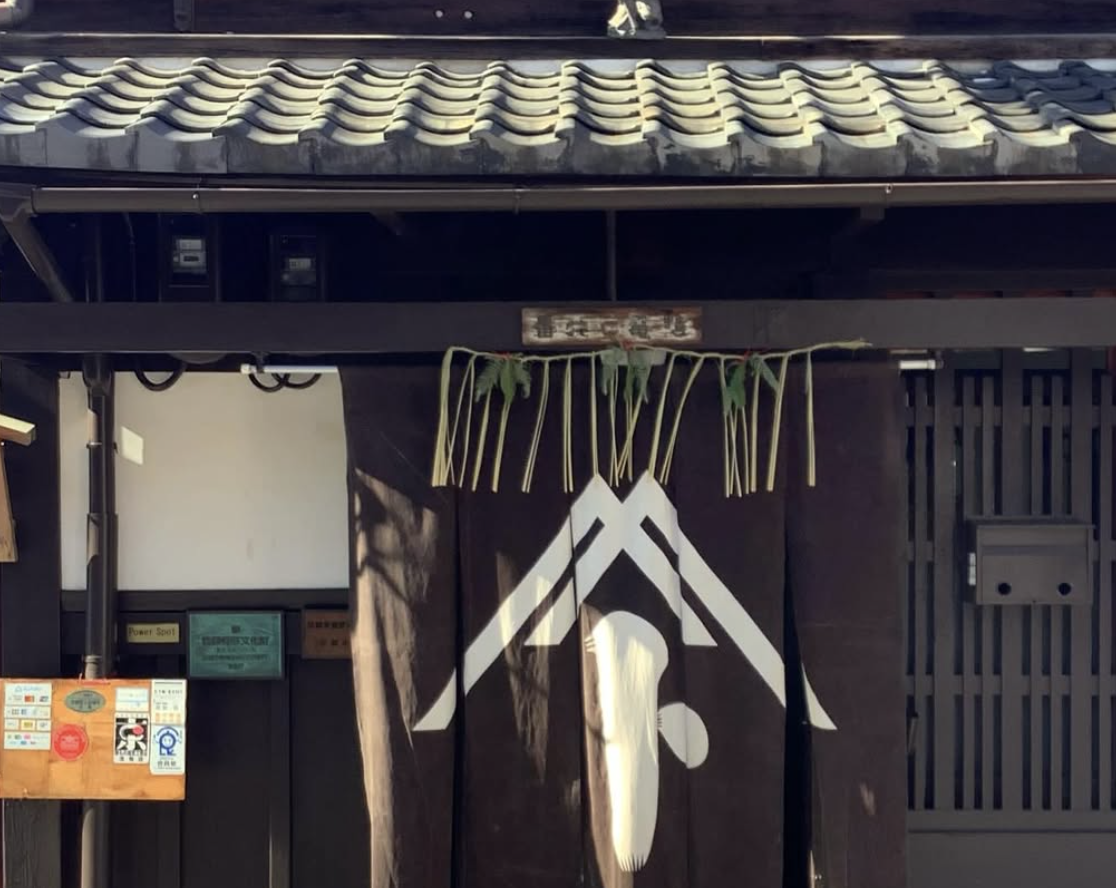
Tondaya
富田屋(とんだや)


【Group Session】Tea ceremony and kimono experience in a historic Kyoto town house
Enjoy a quintessential Japanese tradition in the heart of Kyoto. This tea ceremony takes place in an historic wooden townhouse ("machiya"), which is now the Nishijin Lifestyle Museum. Soak up traditional Japanese culture and learn more about this artful ritual without worrying about making mistakes. Have the opportunity to wear a kimono during the ceremony and townhouse tour.

【Private : + JPY22,000/group】Tea ceremony and kimono experience in a historic Kyoto town house
You will experience the experience in a separate space from other guests. ・Private experience room ・Guests will be guided by dedicated staff Enjoy a quintessential Japanese tradition in the heart of Kyoto. This tea ceremony takes place in an historic wooden townhouse ("machiya"), which is now the Nishijin Lifestyle Museum. Soak up traditional Japanese culture and learn more about this artful ritual without worrying about making mistakes. Have the opportunity to wear a kimono during the ceremony and townhouse tour.

【Group Session】Tea ceremony experience in a historic Kyoto town house
Step into Tondaya, a historic Kyoto machiya townhouse in Nishijin (a nationally registered cultural property), and enjoy a traditional tea ceremony. You’ll watch the tea being prepared and learn the basic etiquette for enjoying matcha and Japanese sweets.

【Private : + JPY11,000/group】Tea ceremony experience in a historic Kyoto town house
You will experience the experience in a separate space from other guests. ・Private experience room ・Guests will be guided by dedicated staff Step into Tondaya, a historic Kyoto machiya townhouse in Nishijin (a nationally registered cultural property), and enjoy a traditional tea ceremony. You’ll watch the tea being prepared and learn the basic etiquette for enjoying matcha and Japanese sweets.

【Private : + JPY11,000/group】Kimono experience in a historic Kyoto town house
You will experience the experience in a separate space from other guests. ・Private experience room ・Guests will be guided by dedicated staff Wear an authentic silk kimono inside Nishijin Tondaya, a historic Kyoto machiya townhouse that is registered as national cultural heritage. Staff will help you get dressed, and you can enjoy photos inside the house.

【Group Session】Kimono experience in a historic Kyoto town house
Wear an authentic silk kimono inside Nishijin Tondaya, a historic Kyoto machiya townhouse that is registered as national cultural heritage. Staff will help you get dressed, and you can enjoy photos inside the house.
Tondaya: Experience Authentic Kyoto Culture Through Kimono, Tea Ceremony, and Traditional Arts
What makes Tondaya's cultural experiences unique?
At Tondaya, we offer a wide range of authentic Japanese cultural experiences rooted in Kyoto's rich traditions. These include kimono dressing, tea ceremony, Maiko and Geiko Ozashiki experiences, Ikebana, calligraphy, Kodo, Japanese dance, koto, shamisen, traditional Japanese cuisine, origami, scented sachet making, traditional games, Yuzen dyeing, rickshaw rides, and seasonal cultural events. What makes these experiences special is the opportunity to experience Kyoto's diverse culture through all five senses—to see, hear, touch, create, and taste—rather than simply observe it as a visitor.
Kimono: Discovering the beauty and meaning of traditional dress
Our kimono experience is particularly special because of Tondaya's long history as a kimono wholesaler. With the help of experienced professional kimono dressers, guests can do more than simply put on a kimono and take photographs. They can discover the beauty of traditional Japanese dress and learn how kimono are selected and worn according to the season, occasion, and setting.
Tea ceremony, Ikebana, Kodo, and calligraphy
Our tea ceremony experiences go beyond learning how to drink tea and enjoy traditional sweets. Guests are introduced to the spirit of tea ceremony—the thoughtfulness, hospitality, and attention to detail at the heart of the tradition. In Ikebana, guests arrange seasonal flowers while discovering a distinctly Japanese sense of beauty and harmony with nature. Through calligraphy, they learn how to work with brush and ink. Kodo introduces them to the art of Monko, or "listening to incense," allowing them to appreciate fragrance while experiencing the traditional etiquette and sensibilities associated with Japanese culture.
Experience Japanese food culture firsthand
We also offer a variety of food-related experiences. Guests can learn to prepare Obanzai, Kyoto's traditional home-style cuisine, make authentic sushi rolls, learn how to make nigiri sushi directly from a sushi chef, or create traditional Japanese sweets with a wagashi artisan. Rather than simply eating Japanese food, guests have the opportunity to prepare it themselves and gain a deeper understanding of Japanese food culture. We also offer experiences that connect Kyoto's food and sake culture with its broader cultural heritage. These include traditional bento meals, dinners enjoyed alongside the illumination of our historic machiya, and sake tastings featuring five different types of Japanese sake.
Traditional Japanese performing arts
Our performing arts experiences include learning the basics of Japanese dance while wearing kimono, as well as trying the koto and shamisen after watching a performance by an instructor. In our authentic Maiko and Geiko Ozashiki experience, guests can appreciate much more than the performers' beautiful appearance. Through dance, music, graceful movements, and hospitality passed down through generations, they can encounter the traditional culture of Kyoto's entertainment districts.
Everyday traditions and traditional craftsmanship
We also offer experiences rooted in everyday Japanese life, including origami, traditional scented sachet making, and traditional games such as Kai-awase and Tosenkyo. Guests can also experience traditional Yuzen dyeing firsthand and learn about the craftsmanship behind this distinctive textile art.
Seasonal experiences and customized cultural programs
For those looking for something beyond a single activity, we offer programs tailored to different interests and purposes. These include rickshaw rides through the historic streets of Nishijin, seasonal events that combine traditional customs with food, and traditional machiya wedding ceremonies featuring an ornate uchikake kimono. Experiences can also be combined according to each guest's interests, purpose, and available time. We can create special programs based on individual requests, including opportunities to learn directly from Kyoto artisans and experience traditions and techniques that are not normally accessible to visitors. From kimono, food, and performing arts to craftsmanship and traditional games, Tondaya offers many ways to experience Japanese culture. Our aim is to help each guest find the experiences that best match their interests and create a memorable, meaningful connection with Kyoto.
What makes Tondaya different from other cultural experiences in Kyoto?
Kyoto is home to many businesses offering cultural experiences. We believe Tondaya's greatest strength is that we do not recreate Japanese culture for tourists in a newly built facility. Instead, guests experience authentic culture within an actual historic machiya in Nishijin, Kyoto—a place where business, family life, and traditional culture have continued for generations. Tondaya is a historic machiya that preserves the character of a large-scale Nishijin kimono wholesaler from the Meiji era. The main building facing the street and the front storehouse reflect the traditional omote-ya-zukuri style characteristic of Nishijin merchant houses. Inside, guests will find tatami rooms, reception rooms, a tea room, gardens, and other spaces that convey the atmosphere of a traditional Kyoto home. The tea room was given the name "Rakuju" by Sen Soshū, the ninth-generation Grand Master of Mushakōji Senke Kankyu-an. Tondaya was registered as a National Registered Tangible Cultural Property in 1999 and designated a Structure of Landscape Importance by the City of Kyoto in 2007. In other words, the space itself is part of the cultural experience. Simply spending time at Tondaya allows guests to encounter a tangible part of Nishijin's history and culture.
A living heritage, not a recreated tourist attraction
It is not only the building that has been preserved. Many of the tools, furnishings, objects, seasonal decorations, and traditions treasured by generations of the Tanaka family remain at Tondaya today. They were not collected to create a museum for visitors; they were actually used and cared for as part of daily life in the house. This is what connects the history of Nishijin with the history of Tondaya itself—and ultimately with the experiences we offer today. For this reason, what we provide is not a collection of activities newly created to give visitors a "Japanese-style" experience. We want guests to encounter traditions that have genuinely been passed down in Kyoto, together with the stories, values, and meanings behind them.
Learning the meaning behind Japanese traditions
Take kimono, for example. At Tondaya, guests do not simply put on a kimono. Because of our long connection with kimono culture, we can introduce the meaning and beauty of traditional dress and explain how it relates to the season and occasion. In tea ceremony, guests do not simply learn a set of movements or rules. They are introduced to the spirit of tea—the idea of hospitality and consideration for others that lies behind its formalities. The same approach applies to Ikebana, Kodo, calligraphy, Japanese cuisine, and traditional performing arts. By learning directly from people with expertise in each field, guests can discover not only what a tradition looks like, but also why it developed and what it means. And perhaps most importantly, there are people who continue to protect and pass these traditions on. A historic building, the objects and furnishings preserved within it, the culture of Nishijin, and the people who carry that culture into the future all come together at Tondaya. We believe this combination is what makes our experiences fundamentally different from ordinary tourist activities.
What value do Tondaya's cultural experiences offer international visitors?
We hope international visitors experience Japanese culture not simply as something to "see" or "try," but as a way to discover the values, aesthetics, ways of life, and spirit of consideration that have shaped Japanese society. For example, tea ceremony embodies the spirit of Omotenashi—thoughtful hospitality and consideration for the guest. Kimono reflects a Japanese appreciation of the seasons and the natural world. Ikebana, Kodo, and calligraphy each express distinctive Japanese approaches to beauty, harmony, and mindfulness that have been cultivated over centuries. Japanese cuisine, wagashi, traditional games, and seasonal events also reveal how deeply Japanese life has been connected with nature, the changing seasons, and relationships between people. These aspects of culture can certainly be encountered in museums or books, but we believe they can be understood much more deeply when people experience them for themselves. At Tondaya, guests can encounter these traditions within an authentic historic machiya in Kyoto. They can wear kimono, participate in a tea ceremony, arrange flowers, prepare Japanese food and sweets, experience the art of incense, and encounter traditional performing arts. Through each experience, we want guests to discover not only the visible "form" of Japanese culture, but also the ideas, values, and spirit behind it.
Creating a deeper connection with Kyoto
For international visitors in particular, we believe there is great value in encountering culture that is not simply displayed as part of history, but is still carefully preserved and practiced by people today. We would be delighted if our guests leave Tondaya thinking, "I'm so glad I came to Japan," or "I had no idea this culture was still alive in Kyoto today," and feel inspired to learn more about Japan. Our hope is that the time guests spend at Tondaya becomes more than a memorable sightseeing experience. We want it to become a starting point for understanding Japanese culture—a meaningful experience that stays with them long after they return home.
How will Tondaya develop its cultural experiences for international visitors?
Looking ahead, our goal is not simply to add more and more new experiences. Instead, we want to find new ways to help international visitors gain a deeper understanding of the authentic Kyoto culture that Tondaya has protected and passed down over generations. We already offer a wide range of experiences, including kimono, tea ceremony, Ikebana, calligraphy, Kodo, Japanese cuisine, wagashi, sushi, Japanese dance, koto, shamisen, origami, traditional games, scented sachet making, Yuzen hand-dyeing, and Maiko and Geiko Ozashiki experiences. In the future, we would like to develop these programs further by combining different experiences according to each guest's interests, schedule, and purpose. Rather than experiencing each tradition in isolation, guests could follow a journey in which one aspect of Japanese culture naturally leads into another. For example, guests might dress in kimono before participating in a tea ceremony or Ikebana experience. They might prepare Japanese food or wagashi and then enjoy a meal together in the machiya. Or they might combine traditional performing arts with a Maiko and Geiko Ozashiki experience. We would also like to expand opportunities to learn directly from Kyoto artisans and offer special experiences that provide access to traditional skills and cultural practices visitors would rarely encounter through ordinary sightseeing. Many international visitors come to Kyoto hoping to experience something truly connected to the city—to encounter traditions that they could not experience through a typical tourist itinerary. We want to respond to those wishes not by offering exactly the same experience to everyone, but by creating meaningful encounters with authentic Kyoto culture that reflect each guest's individual interests and goals.
Balancing accessibility with authenticity
At the same time, we believe that making Japanese culture accessible to international visitors should not mean changing the culture itself simply to make it more "tourist-friendly." We want to make our explanations easier to understand and continue improving multilingual support, while carefully preserving the values, etiquette, traditions, and cultural context themselves. Finding the right balance between accessibility and authenticity is extremely important to us. Through this approach, we hope to create more opportunities for people from around the world to discover the authentic culture of Kyoto.
What does Tondaya hope to preserve for future generations?
Throughout Tondaya's long history and its efforts to preserve the culture of Nishijin, the principle that matters most is passing the culture and wisdom of daily life cultivated in Nishijin over generations to the next generation—not simply preserving their outward forms, but also passing on the spirit and values behind them. Today, this role is carried forward by Mineko Tanaka, the 13th-generation head of Tondaya. She succeeded to the family business in 1988 and has spent many years preserving Tondaya while sharing Japanese traditional culture, etiquette, customs, and annual traditions with people both in Japan and abroad. In 1993, she established the kimono etiquette school "Koto no Kaze," now known as Wado-kai. She has also taught at universities and devoted herself to educating future generations about Japanese traditional culture.
Passing down a way of life
Being the 13th generation of a family does not simply mean inheriting a house or a building. It means inheriting ways of life, customs, seasonal traditions, ways of interacting with others, and the proper care and use of objects—forms of culture woven into everyday life. Much of this "culture of the household" still lives on at Tondaya. The importance placed on seasonal events, the careful treatment of objects and dolls handed down through the family, and the respect shown toward the household deities may seem like small details of everyday life. Yet within them are values that have been cultivated in Japanese life over many generations. These traditions were never preserved by one person alone. They have survived because successive generations of the family and the people around them have cared for them and passed them on in their own time. As the 13th-generation head, Tanaka is part of that continuing chain of transmission. That is why we believe simply "preserving" culture is not enough. A building or an object can be kept intact, but culture truly lives on when people encounter it, understand its meaning, and experience it for themselves. Whether wearing kimono, participating in a tea ceremony, arranging flowers, preparing Japanese food, experiencing the art of incense, playing traditional games, or encountering the world of Maiko and Geiko through an Ozashiki experience, guests can connect with Japanese culture in a personal and meaningful way. Through these experiences, we hope guests discover not only the visible form of Japanese culture, but also the spirit within it.
Keeping Kyoto's living culture alive
For Tanaka, being the 13th generation does not mean simply preserving the past exactly as it was. It means understanding the value of what has been entrusted to her by previous generations, deciding what must continue to be protected as times change, and finding ways to pass it on to the future. The culture of Nishijin has been nurtured over centuries. Our responsibility is not to seal it away as something belonging only to the past, but to keep it alive by allowing people today—and future generations around the world—to encounter and experience it. That is the responsibility we carry as the 13th generation of Tondaya, and the belief at the heart of what we do: to preserve authentic culture, share it with others, and pass it on to the future.
Tondaya: Experience Authentic Kyoto Culture Through Kimono, Tea Ceremony, and Traditional Arts
Discover the magic of this unique experience